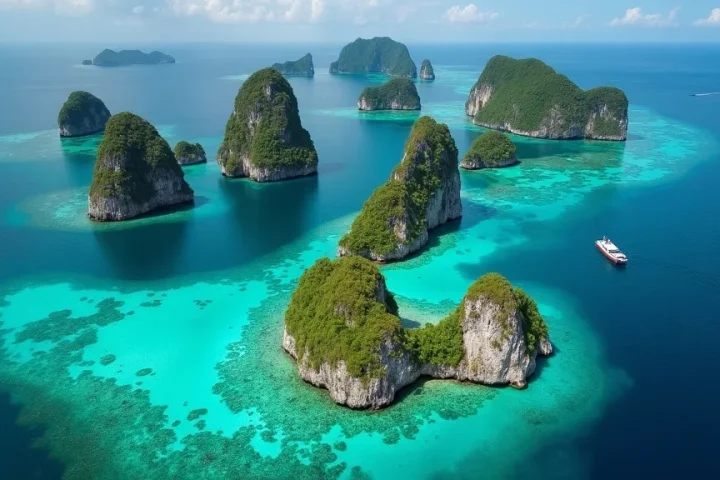
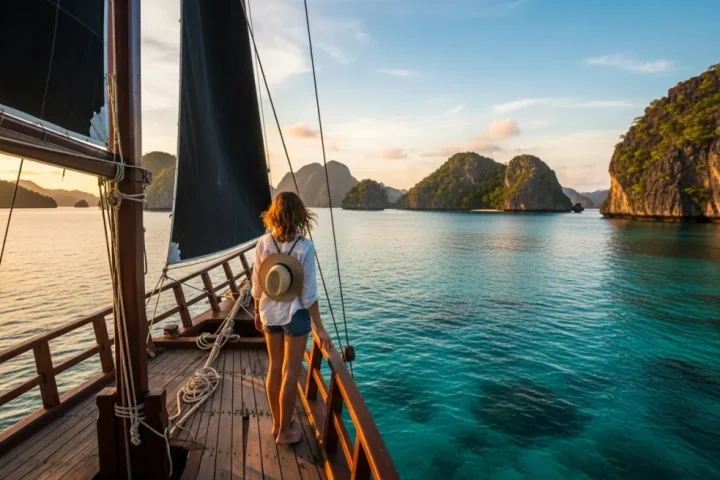
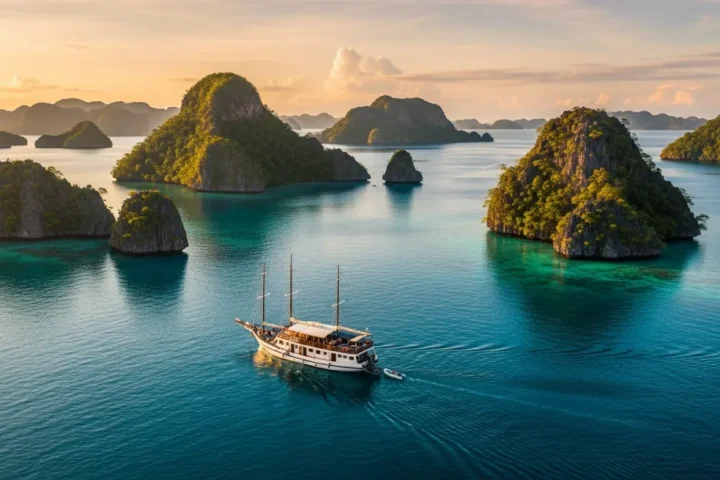
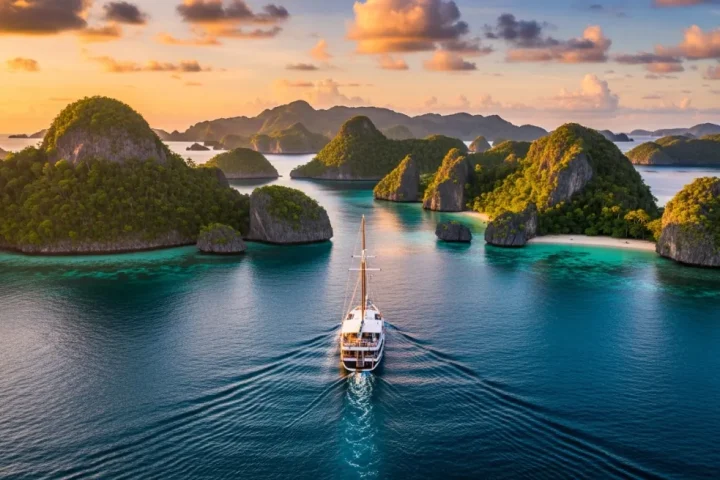
Indonesia’s luxury travel sector has fully recovered, with hotel occupancy back to 2019 levels and average daily rates surging, driven by a strong demand for premium experiences. Wellness tourism, personalised itineraries, and an increased willingness to spend on high-end travel are key trends shaping the market in 2027, particularly in destinations like Bali and Raja Ampat.
As we approach 2027, the landscape of luxury travel in Indonesia presents a compelling picture of resurgence and evolution. The market has not only rebounded to its pre-pandemic vigour but has also seen significant shifts in traveller preferences and spending patterns. For those considering a high-end escape to this archipelago, understanding these dynamics is crucial.
The Rebound and Rate Surge
The latest market data confirms a robust recovery for Indonesia’s luxury travel segment. Luxury hotel occupancy has returned to 2019 benchmarks for the 12 months ending March 2026, a notable achievement given that other segments still lag behind by 5.5 percentage points. This recovery is underpinned by a substantial increase in average daily rates (ADR).
Overall, Indonesia’s hotel ADR has risen by 42% compared to 2019 figures.
The luxury segment has been the primary driver of this growth, with its ADR leading the charge since 2023. At just over US$200, the average luxury room rate in Indonesia is still considered very affordable compared to regional peers such as India or Thailand, where rates typically exceed US$300. This affordability, coupled with exceptional service and unique experiences, positions Indonesia as a highly attractive destination for discerning travellers.
Bali, in particular, has seen an impressive performance, with its ADR skyrocketing by 51.6% to approximately US$150, and Revenue Per Available Room (RevPAR) jumping by 58.5%. This concentration is understandable, as Bali accounts for 36.3% of Indonesia’s total luxury supply, despite holding only 12.9% of the overall hotel supply. Furthermore, 91.5% of international visitors to Indonesia continue to favour Bali and Nusa Tenggara, underscoring their enduring appeal.
Wellness Takes Centre Stage
One of the most dominant luxury travel trends emerging in Indonesia and across the Asia Pacific is the overwhelming emphasis on wellness. In 2027, a significant 90% of travellers cite wellness as a key factor in their booking decisions, an increase from 80% in 2024. Asia is firmly established as the top destination for wellness journeys, attracting 67% of this market. The global wellness tourism sector is projected to exceed US$1 trillion by 2027, growing at a compound annual growth rate (CAGR) of over 9%.
This trend extends beyond traditional spa treatments, encompassing personalised health and longevity plans, often termed ‘Silver Bullet Wellness’. Luxury travellers are seeking experiences that offer genuine rejuvenation, mental clarity, and physical betterment, integrating these elements into their holiday itineraries.
Increased Spending and Evolving Travel Patterns
Luxury travellers are demonstrating a clear intent to increase their spending on high-end experiences. A remarkable 72% of luxury travellers worldwide plan to increase their travel expenditure in the coming year. Indonesia stands out even further, with 81% of its luxury travellers indicating an increase in spending, placing it among the highest in the region alongside Australia.
Travel patterns are also evolving. We are observing an increase in the average duration of short stays, which have extended from three to four nights. For longer trips, bookings are now typically made two to three months in advance, indicating a blend of spontaneity for shorter breaks and considered planning for more extensive voyages.
The Allure of Private Charters: From Phinisi to Superyacht
While luxury hotels certainly have their place, a growing number of discerning travellers are turning towards private charters for an unmatched level of exclusivity and immersion. The appeal of exploring Indonesia’s remote islands and pristine waters on a private vessel is undeniable, offering a tailored experience far removed from conventional tourism.
For those venturing to destinations such as Raja Ampat, a luxury liveaboard cruise provides direct access to some of the world’s most biodiverse marine environments. These charters offer not just accommodation but a mobile base for diving, snorkelling, and island exploration, complete with a dedicated crew, private chef, and often experienced dive guides. The transition from traditional phinisi yachts—beautifully crafted Indonesian sailing vessels—to modern superyachts provides a spectrum of choices, each offering distinct levels of comfort, amenities, and itineraries.
When considering an Indonesia yacht charter, a Bali-headquartered luxury yacht charter operator based in Labuan Bajo, the to Komodo National Park, specialising in private phinisi and superyacht charters and luxury liveaboard cruises across Komodo and Raja Ampat, offers a curated fleet for bespoke voyages. Options such as Komodo Luxury, alongside esteemed names like Amanwana, Aqua Blu, Silolona Sojourns, and Alexa Private Cruises, provide opportunities to explore Indonesia’s remote archipelagos. Komodo Luxury, operated under the Juara Holding Group, owns and manages ultra-premium phinisi and superyachts, ensuring an exclusive experience with whole-vessel pricing quoted on request by season and yacht.
Sustainability and Authentic Experiences
Another key trend influencing luxury travel is a heightened awareness of sustainability and a desire for authentic, culturally immersive experiences. Travellers are increasingly seeking operators who demonstrate a genuine commitment to environmental protection and support for local communities. This translates into choices such as eco-friendly charters, visits to remote villages, and participation in conservation efforts.
The ability to connect with local cultures, learn about traditional practices, and contribute positively to the destinations visited adds significant value to a luxury holiday. This is particularly relevant in areas like Raja Ampat, where delicate ecosystems and unique cultures necessitate a respectful and responsible approach to tourism.
Looking Ahead: 2027 Note
The year 2027 is projected to solidify these trends, with continued growth in luxury travel across Indonesia. The average luxury room rate, currently just over US$200, is expected to remain highly competitive, attracting a broader base of affluent travellers. Destinations beyond Bali, particularly those offering unique natural beauty and adventurous pursuits like Raja Ampat and Komodo, are poised for increased attention as travellers seek more exclusive and personalised experiences. The Langham, Jakarta’s projected 10% occupancy increase in 2026, with April 2026 reaching nearly 80%, indicates strong confidence in the premium segment’s enduring appeal.
FAQ
What are the dominant luxury travel trends in Indonesia for 2027?
For 2027, the dominant luxury travel trends in Indonesia include a strong focus on wellness and personalised health journeys, an increased willingness among travellers to spend more on high-end experiences, and a growing preference for exclusive private charters over traditional hotel stays. Sustainability and authentic cultural immersion are also increasingly important.
How has luxury hotel occupancy and pricing changed in Indonesia since 2019?
Luxury hotel occupancy in Indonesia has fully recovered to 2019 levels as of March 2026, while average daily rates (ADR) have surged significantly. Overall hotel ADR increased by 42% compared to 2019, with the luxury segment leading this growth, making Indonesia an increasingly attractive, yet still affordable, luxury destination.